- 1 whole head garlic
- 4 carrots, cut into 1 inch chunks
- 4 stalks celery, cut into 1 inch chunks
- 3 onions, cut into 1 inch chunks
- 1 green pepper, quartered
- 1 tomato, quartered
- 1/3 cup olive oil
- salt and pepper to taste
- 8 cups water
- 1 1/2 teaspoons dried thyme
- 1 1/2 teaspoons dried parsley
- Home
- Online Issues
- Food Holidays
- Food History
- Restaurant Reviews & Guides
- Product Reviews & Guides
- Shopping Reviews & Guides
- Glossary and Informational
- Appetizers & Salads
- Soups, Stews & Chilis
- Sandwiches & Burgers
- Entrees
- Sides
- Desserts
- Beverages
- Condiments
- Dry Mixes
- Breakfast
- Snacks & Candy
- Specialty Diets
- Home & Garden
Wednesday, November 2, 2022
Roasted veggie stock recipe
Basic chicken stock recipe
The key to a good soup is to start with a good stock. This basic chicken stock recipe is a great stepping stone for chicken noodle, chicken rice and a wide variety of other soups, stews and chilis. The best part is that you can freeze it and have stock whenever the mood for making soup strikes!
BASIC CHICKEN STOCK
- 1 pound chicken parts
- 1 large white or yellow onion
- 3 stalks celery, including some leaves
- 1 large carrot
- 1 ½ teaspoons salt
- 3 whole cloves
- 6 cups water
Directions
Cut onion into quarters and roughly chop celery and carrot into 1 inch chunks. Place chicken, onion, celery, carrot, salt, and cloves into a large stock pot. Add 6 cups water and stir. Bring to a boil then reduce heat, cover, and simmer for 1 hour. Remove chicken and vegetables and strain stock. Skim fat off the surface and remove from heat, and let stand 5 minutes. Strain again through a sieve lined with cheesecloth.
Cook's Notes: If you need turkey stock, simply replace turkey for chicken in this recipe!
Turkey and wild rice soup recipe
This hearty soup is perfect for a cool Autumn day. It is also a great way to use up leftover Thanksgiving turkey. Pair it with a loaf of multi-grain bread for a delicious, healthy dinner. Freeze individual portions for a quick dinner on those hectic nights.
TURKEY AND WILD RICE SOUP
- 3 cans chicken broth
- 2 cups water
- 1/2 cup green onions, finely chopped
- 1/2 cup uncooked wild rice
- 1/2 cup butter
- 8 ounces button mushrooms, sliced
- 3/4 cup flour
- 1/2 teaspoon salt
- 1/4 teaspoon poultry seasoning
- 1/8 teaspoon ground black pepper
- 2 cups cream
- 2 cups cooked turkey
- 8 slices bacon, cooked and crumbled
- 2 tablespoons white wine
Directions
Combine chicken broth, water, onions and rice in a large pot. Bring to a boil then reduce heat and simmer 30-40 minutes. Melt butter over medium heat and cook mushrooms until they give off their liquid-around 10 minutes. Stir in flour and seasonings. Cook until bubbly and smooth. Add cream and cook until mixture has thickened. Add flour mixture, meats and wine to the broth mixture and stir until well blended. Cook until thoroughly heated.
Sausage and cornbread dressing recipe
If you are looking for a new dressing to serve with your Thanksgiving feast, this one is a delicious choice! It has many of the traditional flavors we associate with dressing with the savory flavor of sausage and a satisfying crunch from pecans. It's sure to be a hit.
SAUSAGE AND CORNBREAD DRESSING
- 12 ounces sausage
- 3/4 cup finely chopped onion
- 1/2 cup chopped green pepper
- 1/2 cup chopped celery
- 1/2 cup butter
- 5 cups dry white bread crumbs
- 4 1/2 cups crumbled cornbread
- 1 teaspoon poultry seasoning
- 1/8 teaspoon black pepper
- 3/4 cup chopped pecans, toasted
- 1 1/4 cups chicken broth
Directions
Brown sausage and drain well. Set aside. Add butter, onion, pepper and celery to the same skillet used for browning the sausage. Cook until tender. Add to cooked sausage. Preheat oven to 325 degrees F. Place bread cubes and cornbread crumbs in a large bowl and combine. Mix in sausage and onion mixtures, seasonings, and pecans/ Drizzle with chicken broth, tossing to combine. Pour mixture into a 2 quart casserole dish and cover. Bake 35-45 minutes, until heated through.
Cranberries are a sassy way to boost your diet
Aaahhhh, the cranberry. The bright red berry that so many of us have come to associate with the Thanksgiving and Christmas holidays is full of tart, sassy flavor and is also packed full of health benefits. In fact, it is so jammed with nutritional goodness that it has been deemed a superfood.
Cranberries are harvested from dwarf evergreen shrubs or trailing vines of the Vaccinium macrocarpon. They are native to the acidic bogs of the northern hemisphere throughout the cooler regions of the United States and Canada. It is also native to the cooler regions of Chilé. These low growing, creeping shrubs max out around 7 feet in length and and 8 inches in height. They feature slender, wiry stems, small evergreen leaves and dark pink flowers that turn into bright red berries with an acidic tang. They are related to blueberries, bilberries, huckleberries and lingonberries.
The Narrangansett people of the Algonquin tribe use cranberries in pemmican and as a dye. They called the berries “sasemineash” and introduced the American colonists of Massachusetts to them. In 1550, James White Norwood made the first reference to the cranberry in American literature. American Revolutionary War veteran, Henry Hall, first cultivated the berries in the Cape Cod town of Dennis around 1816. By 1820, he was shipping them to New York City and Boston, with many of them leaving for Europe through seaports in those cities.
Historically, cranberry bogs have been constructed in wetland regions. Today, they are located in upland areas with a shallow water table that gets irrigated during the growing season and flooded as needed for harvest and protection against low temperatures. Cranberries are harvested in the fall, between the months of September and November. The beds are flooded with 6-8 inches of water and a harvester is driven through the bog to remove the fruit from their vines. Next, the berries are corralled into one area of the bog where they are either removed by conveyor or pump before being sent off for sorting, storage or shipping. Because of the high cost of labor and low yield, only a small percentage of cranberries, between 5 and 10 percent, are dry-picked.
Approximately 40,500 acres of land are devoted to the cultivation of cranberries, with world production topping 683,671 tonnes. The United States, Canada and Chile are the top worldwide producers of fruit while Wisconsin and Massachusetts lead production stateside. Around 95% of cultivated berries are used to make cranberry juice, sauce, jam or dried with the rest being sold fresh.
Raw cranberries are 87% water, 12% carbohydrates and negligible amounts of protein and fat. 100 grams of raw cranberries contain:
- Calories 46
- Carbs 12.2 grams
- Dietary Fiber 4.6 grams
- Fat .13 grams
- Protein .39 grams
- Manganese 17% RDA
- Vitamin C 16% RDA
- Vitamin E 8% RDA
- Vitamin B5 6% RDA
- Vitamin K 5% RDA
- Vitamin B6 4% RDA
- Vitamin B2 2% RDA
- Iron 2% RDA
- Magnesium 2% RDA
- Phosphorus 2% RDA
- Potassium 2% RDA
By now, everyone has heard that cranberries are great for urinary tract health, but they may not be the cure they are often made out to be. While there is evidence that cranberries are a powerful tool in fighting recurrent urinary tract infections, large variations resulting from inconsistent clinical factors and study methods have clouded some studies. It is now believed that to enjoy the highest level of protection from cranberries, you should consume extracts in capsule form and not juice. Just what is it in cranberries that make them a potent weapon against UTI’s? The answer is Proanthocyanins, or PCA’s. PCA’s work in the urinary tract to keep harmful bacteria from building up along the walls and infection from setting in. These same PCA’s also help keep bacteria from adhering to teeth, thus reducing cavities and gum disease. So what exactly do all these numbers mean? Well, they mean that you should add more cranberry goodness to your diet! Keep reading to learn about the number of health benefits cranberries possess.
A diet rich in cranberries also has other health benefits, thanks to:
Vitamin C Vitamin C is a powerful natural anti-oxidant that helps the body fight off the effects of free radicals. It also helps to improve the body’s absorption of iron from plant sources, boosts immunity and helps in the formation of collagen.
Fiber A diet high in fiber helps lower the risk of coronary heart disease, stroke, hypertension, diabetes, obesity and some gastro-intestinal diseases. It also helps control insulin sensitivity and enhances weight loss
Vitamin E Vitamin E is a fat soluble anti-oxidant that helps prevent or delay the onset of some chronic diseases such as heart disease, cancer, cataracts, Alzheimer’s and arthritis.
Vitamin K Vitamin K has cancer-preventing and anti-inflammatory properties.
Manganese Manganese is essential for proper growth and metabolism.
For all of the good that cranberries can bring to your health, there are some potential side effects if you eat too many or drink too much of their juice. Those on coagulants, such as warfarin, should limit their intake of cranberry juice as there is a heightened risk for bleeding and bruising. Consuming large amounts may also result in nausea, stomach inflammation, diarrhea, increased risk of developing kidney stones and increased sugar intake if drinking juice blends or cocktails instead of 100% pure juice.
If these added health benefits sound good to you, there are some easy ways to add cranberries to your diet.
- Add dried berries to your favorite trail mix or granola recipe.
- Toss a handful into your morning smoothie.
- Stir into oatmeal or whole grain cereal at breakfast.
- Mix them into your favorite apple desserts for an added punch of flavor and nutrition.
- Use cranberry sauce as a condiment on your turkey sandwiches.
Check out our growing collection of cranberry recipes for new ways to incorporate these sassy berries into your diet.
Chipotle orange cranberry sauce recipe
Spice up your Thanksgiving table with this sweet and spicy cranberry sauce. It brings a sweet, tangy, subtle hint of warmth to your holiday dinner that can only be described as "wow".
CHIPOTLE ORANGE CRANBERRY SAUCE
- 1 medium orange
- 1 package (12 ounces) fresh or frozen cranberries
- 1/2 cup packed brown sugar
- 1 cinnamon stick (3 inches)
- 1/4 to 3/4 teaspoon ground chipotle pepper
- 1/4 teaspoon pepper
Directions
Finely grate the zest from the orange. Cut the orange in half crosswise and squeeze the juice from it. Place both zest and juice in a small saucepan and stir in all remaining ingredients. Bring to a boil then reduce heat. Simmer for 5-7 minutes, until the berries pop, making sure to stir occasionally. Remove from heat and allow to cool completely before removing the cinnamon stick, covering tightly and storing in refrigerator.
Tuesday, November 1, 2022
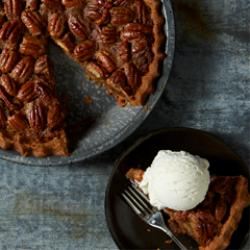
Treat your Thanksgiving guests to Maple Pecan Pie a la Mode from Breyer's Ice Cream
Thanksgiving wouldn't be the same without a rich, decadent pecan pie nestled amongst the other sweets on your holiday dessert table. This delicious pie features the added flavor of maple syrup and gets topped with ice cream from Breyers.
INGREDIENTS
- 1 cup maple syrup-I recommend visiting Dohner Maple Products at 2nd Street Market
- 1/2 cup firmly packed light brown sugar
- 3 large eggs, lightly beaten
- 2 Tbsp. I Can't Believe It's Not Butter!® Spread, melted
- 1 1/2 cups pecan halves
- 1 (9-in.) frozen deep-dish pie crust
- 4 cups Breyers® Natural Vanilla Ice Cream
INSTRUCTIONS
Preheat oven to 350°. Combine maple syrup, brown sugar, eggs and I Can't Believe It's Not Butter!® Spread in large bowl. Stir in pecans. Pour into frozen crust. Place on baking sheet and bake 50 to 55 minutes or until center is set. Cool on wire rack 2 hours. Serve topped with Breyers® Natural Vanilla Ice Cream.
Festive Thanksgiving turkey brine recipe
This festive brine recipe is based on Ree Drummond's "My Favorite Turkey Brine" recipe from the Food Network website, with a few of Chef Aimee's twists thrown in.
FESTIVE THANKSGIVING TURKEY BRINE
- 1 gallon cold water
- 2 cups apple cider
- 3 tablespoons tricolor peppercorns
- 1 tablespoon whole cloves
- 3 whole bay leaves
- 3 cloves garlic, crushed
- 2 sprigs fresh rosemary, leaves stripped off
- 1 sprig fresh thyme, leaves stripped off
- juice and peels from 3 oranges
- 2 cups brown sugar
- 1 cup kosher salt
Directions
Combine all ingredients except sugar and salt in a large pot and bring to a boil. Remove from heat and stir in sugar and salt until dissolved. Allow to cool completely before submerging turkey. Add additional cold water, if needed, so turkey is completely covered with brine. Cover and allow turkey to brine for at least 12 hours in the refrigerator before cooking.
Brining 101: How to keep your Thanksgiving turkey juicy and flavorful
Traditionally, a brine is a simple salt water solution used to keep leaner meats from drying out and becoming tough during the cooking process. It is most commonly used for roasting turkeys and chickens, but it can be used for other items as well. Meats that are soaked in a brine absorb extra moisture from the solution. The salt works to help season the meat while breaking down proteins, thus making the meat more tender.
The basic recipe for a brine is 1 cup of Kosher salt to every 4 quarts of water. If you are using table salt, use 3/4 cup for every 4 quarts. For those wishing to keep the process as simple as possible, this is a perfectly good brine to use. For those wishing to add additional flavor and flair to their meal, you can use a variety of additional ingredients to suit your individual tastes. Consider adding any of the following ingredients to your brine:
sugar, brown sugar or raw sugar
bay leaf
peppercorns
juniper or allspice berries
orange or lemon peel
To brine your bird, mix the salt and water in a large stock pot and stir until the salt dissolves. Add any additional ingredients you would like to the brine. Remove turkey from package and take out the giblets. Gently submerge the turkey in your brine.
NOTE: Your pot must be deep enough for the turkey to be fully submerged. Cover and place in your refrigerator to brine for 12 hours. When you are ready to roast your turkey, remove from brine and pat dry. Place in your roasting pan and season or baste as desired before placing in the oven to cook.
Tips:
Birds that are brined tend to cook a little faster than normal. You will want to begin checking your turkey with a meat thermometer about an hour before the recommended cook time is up. The turkey is done when the thermometer, when inserted into the thickest part of the bird, reads 165 degrees F.
If you would like your turkey to have crispier skin, Remove from the brine and pat dry. Place in a roasting pan and loosely cover with plastic wrap and allow to dry, refrigerated, for an additional 12 hours prior to roasting.
Clean your sink well after disposing of the brine to avoid contaminating other food items.
Turkey 101: How big of a bird do I need to get?
- 10-18 pounds will feed 10 or less
- 18-22 pounds will feed between 10 and 15
- 16-20 pounds will feed between 16 and 20
- 20 pounds will feed 24-29 people
Please remember, the above numbers are a general guideline. We all know someone who seems to eat their own weight in turkey while others will be happy with a single slice. I recommend erring on the side of caution and going larger if in doubt. Besides, who doesn't love Thanksgiving leftovers? In my opinion, they are the best part of the holiday weekend.
Turkey 101: How long does it take to roast a turkey?
"How long does it take to roast a turkey?" is hands down the most asked Thanksgiving question cooks across the country ask every year. While the easy answer is 20 minutes per pound, there are more factors to take into consideration than just the weight of your bird. Oven temperature and whether the turkey be stuffed are the two most important factors influencing roasting time. We recommend roasting your bird in an oven preheated to 350 degrees F and following the list below for best results.
UNSTUFFED
- 10-18 pounds, 3-3 1/2 hours
- 18-22 pounds, 3 1/2-4 hours
- 22-24 pounds, 4-4 1/2 hours
- 24-29 pounds, 4 1/2-5 hours
STUFFED
- 10-18 pounds 3 3/4-4 1/2 hours
- 18-22 pounds 4 1/2-5 hours
- 22-24 pounds, 5-5 1/2 hours
- 24-29 pounds, 5 1/2-6 1/4 hours
Because oven temperatures may vary, we highly recommend using a meat thermometer for the most reliable results. Place it in the thickest part of the thigh and cook to an internal temperature of 165 degrees F.
Monday, October 31, 2022
Sugared and spiced pumpkin seeds
Growing up, making pumpkin seeds was always the follow-up tradition to pumpkin carving. As I grew older, my tastes evolved from the simple salt seasoning that we used into more sophisticated flavors. This is one my children and I created together several years ago
SUGARED & SPICED PUMPKIN SEEDS
- 1 cup raw pumpkin seeds, rinsed and dried
- 6 tablespoons sugar, divided
- 1/4 teaspoon salt
- 1/2 teaspoon pumpkin pie spice
- 1 tablespoon butter
Directions
Preheat the oven to 250 degrees F. Spread seeds in a single layer on a baking sheet and toast for 45 minutes, stirring occasionally, until dry and toasted. While seeds are toasting, mix together 2 tablespoons sugar, salt, and pie spice and set aside. Heat the butter in skillet and cook seeds remaining sugar over medium high heat until sugar melts and begins to brown. Pour seeds into spiced mixture and stir until well coated. Cool before serving.
Pumpkin chia seed pancakes recipe
PUMPKIN CHIA SEED PANCAKES from NESTLE
- 2 cups all-purpose flour or white whole-wheat flour
- 1 1/2 teaspoons baking powder
- 1 1/2 teaspoons ground cinnamon (optional)
- 1/2 teaspoon baking soda
- 1/2 teaspoon salt
- 2 cups lowfat buttermilk
- 2 large eggs
- 1/2 cup LIBBY'S® 100% Pure Pumpkin
- 2 tablespoons honey, granulated sugar or packed brown sugar
- 3 tablespoons unsalted butter, melted and cooled
- 2 tablespoons Chia seeds, plus more for garnish
- Nonstick cooking spray
- Pure maple syrup
COMBINE flour, baking powder, cinnamon, baking soda and salt in large bowl.
WHISK together buttermilk, eggs, pumpkin, honey and butter in large bowl. Add to flour mixture; stir until combined. Do not over-mix. Let batter sit for 10 minutes; stir in chia seeds.
SPRAY griddle or a large nonstick skillet with cooking spray and heat over medium-high heat. Pour ¼ cup batter for each pancake into skillet and cook for about 2 minutes or until edges are set and look dry. Flip over and cook for an additional 2 minutes or until golden brown. Top with syrup and additional chia seeds.
Sunday, October 30, 2022
Pumpkin bread recipe
Another seasonal favorite that is perfect for breakfast, dessert or as a snack!
PUMPKIN BREAD
- 1 cup softened butter
- 1 1/2 cups sugar
- 1 1/2 cups packed brown sugar
- 3 eggs
- 3 cups all-purpose flour
- 1 tablespoon baking powder
- 1 1/2 teaspoons baking soda
- 1 1/2 teaspoons ground cinnamon
- 1 1/2 teaspoons ground cloves
- 1 1/2 teaspoons ground nutmeg
- 1 can canned pumpkin, 16 ounces
Pumpkin alfredo sauce recipe
If you're like me and can't get enough pumpkin in your life once the temperatures start falling and the leaves turn color, this is a must-try recipe. I recommend using it with a pumpkin or mushroom ravioli to really dive into the flavors of fall!
PUMPKIN ALFREDO SAUCE
- 2 tablespoons butter
- 5 fresh sage leaves
- 1 cup heavy whipping cream
- 1 cup pumpkin puree
- 1 teaspoon ground nutmeg
- 1 teaspoon ground cinnamon
- 1 tablespoon grated Parmesan cheese
Directions
Over medium heat, melt butter in a saucepan. Stir in sage leaves and cook for 3-5 minutes, until the butter has been flavored with the sage to suit your palate. Whisk in the remaining ingredients and cook until the cheese has melted, about 5 minutes.
Sunday, October 23, 2022
Pumpkin roll recipe
This autumn treat is so popular that bakeries routinely run out during the holiday season. If you are the do-it-yourself type, make your own and customize it to suit your palate.
PUMPKIN ROLL
Ingredients
- 3 eggs
- 1 cup sugar
- 2/3 cup canned pumpkin
- 3/4 cup all-purpose flour
- 1/2 teaspoon ground cinnamon
- 1 teaspoon baking soda
- powdered sugar for dusting
- 1 cup powdered sugar
- 3/4 teaspoon vanilla extract
- 2 tablespoons butter, softened
- 8 ounces cream cheese
Preheat oven to 375 degrees F and grease a 15x10x1 inch baking pan and line with parchment paper. Generously grease and flour paper. Beat eggs on high for five minutes then slowly add sugar and pumpkin. Mix in flour, cinnamon, and baking soda until just mixed. Pour batter in pan and tap several times on countertop to spread it evenly. Bake for 15 minutes and immediately turn out onto a linen towel dusted with powdered sugar. Peel paper from cake and starting with the short end, roll cake up in the towel. Cool. While cake is cooling, make filling by mixing powdered sugar, vanilla, butter and cream cheese together until smooth. Carefully unroll cake and spread filling over cake. Roll up again. Cover roll and refrigerate until time to serve.
Cook's Notes Roll can be garnished with additional powdered sugar or caramel sauce. If desired, sprinkle filling with chopped walnuts or pecans before rolling cake.
Pumpkins are the pick of the patch
Pumpkins are a type of winter squash that belong to the Cucurbitaceae family, which includes cucumbers, melons, gourds and squash, and also one of the oldest domesticated plants. They are native to North America and are especially popular between the Halloween and Thanksgiving holidays thanks to Autumnal decorating/jack-o-lantern carving and pumpkin pie baking. Pumpkins are widely grown for commercial, food and recreational use and their history with humans goes back as early as 7,500 BC.
Top worldwide producers include the United States, Canada, Mexico and China while Illinois, Indiana, Ohio, Pennsylvania and California are the top growers in the country. Not very surprising, Antarctica is the only continent that cannot grow this popular fruit. The word “pumpkin” originates from the Greek word “pepon”, which means large melon. Scientifically, pumpkins are a fruit since they contain seeds, but nutritionally they are more similar to vegetables. Pumpkins generally weigh between 6 and 18 pounds and have smooth, slightly ribbed skin. While the most common colors are a deep yellow to vibrant orange, a wide range of hues are available including white, tan, red, green and blue.
In the culinary world, pumpkins are most commonly used for holiday desserts such as pies, custards and cheesecakes, but they can also be used to make a variety of savory dishes as well. And they are an extremely beneficial addition to anyone’s diet. Pumpkins are also high in carotenoids, including alpha-carotene, beta-carotene and beta-cryptoxanthin. These three powerful anti-oxidants work to help reduce oxidative stress, minimizing the damage caused by free radicals. This protection is especially helpful in combating cancer, especially skin, stomach, throat, breast and pancreatic; eye disease and other conditions. The high level of beta-carotene is also beneficial for our skin as it acts as a natural sunblock and offers some protection against asthma. Potassium, vitamin C and fiber are all beneficial to the heart and help improve overall heart health by lowering blood pressure, decreasing the risk of stroke and protecting against the oxidization of LDL cholesterol. Potassium also helps to preserve bone mineral density and protects against muscle mass depletion. Vitamin C helps the body produce collagen which keeps our skin strong and healthy and aids in healing wounds. It also increases white blood cell production, making the immune system work more efficiently.
Monday, September 19, 2022
Pumpkin bisque with sweet ginger cream recipe from Domino Sugar
Pumpkin Bisque
- 1 tablespoon olive oil
- 2 tablespoons butter
- 1/2 cup chopped yellow onion
- 1 teaspoon minced fresh garlic
- 1 (15) oz. can 100% pure pumpkin
- 2 cups vegetable stock
- 1/4 teaspoon crushed red pepper
- 1/4 teaspoon ground dried sage
- 1/8 teaspoon white pepper
- 1/2 teaspoon salt
- 1/3 cup heavy whipping cream
- 1/4 cup Domino® Light Brown Sugar
- 1/2 teaspoon ground ginger
- 1/4 cup sour cream
- 1 teaspoon freshly squeezed lemon juice
Instructions
Pumpkin Bisque
Step 1 In medium saucepot over medium heat combine oil and butter until butter melts.
Step 2 Sauté onion and garlic until onion is translucent; then, set aside to cool to room temperature. Add onion to the mini food processor and puree the garlic and onion together.
Step 3 Pour the pureed mixture back into the saucepot and, over medium heat, whisk in remaining bisque ingredients.
Step 4 Bring bisque to a boil, reduce heat to low, and simmer 15 minutes before serving.
Sweet Ginger Cream
Step 1 In medium mixing bowl, whisk all ingredients together. Cover and chill Sweet Ginger Cream until ready to serve.
To serve:
Portion 1 cup of bisque in serving bowls and swirl in 2 tablespoons of Sweet Ginger Cream.
Chef's Tip:
For fresh herbs and spices, use about 3/4 teaspoon of fresh sage for the bisque and about 1 1/2 teaspoons finely grated fresh ginger for the Sweet Ginger Cream. Both the bisque and sweet ginger cream can be made up to 3 days in advance of serving. If using an immersion blender, skip the food processor step and blend all ingredients in pot together until smooth before heating in soup bowl.
Monday, August 15, 2022
Peaches offer more than just delicious, summery flavor to your diet
Peaches, the celebrated summer fruit adored by many, are a stone fruit that come from a deciduous tree
native to northwest China, where it was first domesticated and cultivated. The fruit was a favorite among Chinese royalty and it was mentioned in writings dating back to the 10th century BC. Peaches were introduced to the parts of the Americas by Spanish explorers during the 16th century, England, France and the American colonies during the 17th. American commercial production of the fruit began during the 19th century in the states of Maryland, Delaware, Georgia and Virginia. Even though California, Georgia and South Carolina are currently the top peach producing states, China is still the largest producer of peaches for worldwide consumption.There are two main types of peaches: clingstones and freestones, although a type called semi-freestone does exist, as well. Clingstone fruit have flesh that sticks stubbornly to the peach pit. The flesh is yellow in color with touches of red near the pit. This variety is usually harvested earlier in the year (May through August) and is the preferred fruit for canning and making preserves. They are rarely found fresh at the grocery. Freestone fruit have pits that are easily removed from the flesh, making them the more popular choice for eating fresh. This is the variety most often found in the produce section of the grocery store and at farmers markets. They are a wonderful choice for baking. As the name implies, the semi-freestone variety is a hybrid of the two main types of peaches, exhibiting characteristics of both. They can be enjoyed fresh or canned. Surprising to many people, peaches and nectarines are actually the same species of fruit even though they are regarded commercially as two separate entities. Genetic studies suggest that nectarines are produced because of a recessive allele while peaches are produced by a dominant one.
A study from Texas A&M has shown that stone fruit have been shown to help ward off weight related diseases such as diabetes, metabolic syndrome and cardiovascular disease. The anti-obesity and anti-inflammatory properties possessed by peaches may reduce LDL, anthocyanins, chlorogenic acids, quercetins and catechins in the human body. In addition to the previously mentioned health benefits, peaches also contain vitamins A, C, E and K, niacin, folate, iron, choline, selenium, potassium, magnesium, phosphorous, manganese, zinc, copper and dietary fiber. The vitamin C alone can help combat free radicals that are known to cause cancer, reduce wrinkles and improve overall skin texture, combat sun damage, support the formation of collagen and support heart health. Fiber, choline and potassium are also key ingredients in heart health. The fiber found in peaches has also been shown to lower blood glucose levels in type 1 diabetics and improve blood sugar, lipid and insulin levels in type 2 diabetics while lowering the risk of colorectal cancer for the population as a whole. Other benefits peaches offer include:
- Reduction of hair loss
- Removing parasitic worms from the digestive tract
- Cleansing the kidneys and bladder
- Helping calm chronic bronchitis, coughs and gastritis when leaves and bark are made into and consumed as a tea
- Peach extracts have been shown to kill even the most aggressive forms of breast cancer while leaving healthy cells unharmed
For those interested in growing and harvesting their own peaches, there are a few things you should know. The peach tree needs full sun, good airflow and a regular, reliable water supply to thrive. They also require more nitrogen than most other fruit trees. This can be supplied by adding blood meal, bone meal or calcium ammonium nitrate to the soil in which the trees grow. Trees should be planted in early winter and harvest can begin as early as May and continue through August. However, don’t plan on enjoying fresh fruit from your tree right away-it typically takes three years for the production of fruit to begin. Healthy trees may continue to bear fruit yearly for up to twelve years. Once your trees have begun blooming, increase the water supply and be sure to thin the flowers. More flowers equals more fruit, which reduces the quality of flavor and size of the individual fruit, leaving them small and tasteless.
Fresh peaches are best left on the tree until you are ready to eat them as they do not store well and bruise easily. If you must store them, the optimal temperature is 32 degrees F with a high level of humidity. They should be eaten or canned within two weeks, if they even store well for that long. Whether you grow your own or purchase them from the grocery, peaches are a delicious addition to all summer celebrations. Please enjoy the following recipes featuring the flavor of peaches:
Wednesday, July 13, 2022
November Food Holidays
Aaahhhh, November. The month of the Thanksgiving Day feast. But why stop there when there are 29 more yummy days to celebrate?
MONTHLY CELEBRATIONS
- Georgia Pecan Month
- Good Nutrition Month
- National Bread Month
- National Fun With Fondue Month
- National Peanut Butter Lover’s Month
- National Pepper Month
- National Pomegranate Month
- National Raisin Bread Month
- National Roasting Month
- National Sweet Potato Awareness Month
- World Vegan Month
WEEKLY CELEBRATIONS
- First Week: National Fig Week
- Second Week: International Sherry Week
DAILY CELEBRATIONS
- Second Thursday International Tempranillo Day
- Fourth Thursday National Mashed Idaho Potato Day
- November 1: National Bison Day, National Deep Fried Clams Day, National Vinegar Day, World Vegan Day
- November 2: National Deviled Egg Day
- November 3: National/World Sandwich Day
- November 4: National Candy Day
- November 5: National Doughnut Day, International Stout Day
- November 6: National Healthy Eating Day, National Nachos Day
- November 7: Bittersweet Chocolate With Almonds Day
- November 8: National Cappuccino Day, National Harvey Wallbanger Day, International Tempranillo Day
- November 9: National Scrapple Day, Cook Something Bold & Pungent Day
- November 10: National Vanilla Cupcake Day
- November 11: National Sundae Day
- November 12: National Pizza With Everything Day (Except Anchovies), National Chicken Soup For The Soul Day, National Happy Hour Day
- November 13: National Bread Pudding Day, National Indian Pudding Day
- November 14: National Spicy Guacamole Day, National Pickle Day
- November 15: National Clean Out Your Refrigerator Day, National Raisin Bran Cereal Day
- November 16: International Whole Grain Day, National Fast Food Day
- November 17: National Baklava Day, National Homemade Bread Day
- November 18: National Apple Cider Day, National Vichyssoise Day
- November 19: National Carbonated Beverage With Caffeine Day
- November 20: National Peanut Butter Fudge Day
- November 20: Beaujolais Nouveau Day
- November 21: National Gingerbread Day
- November 22: National Cranberry Relish Day
- November 23: National Cashew Day, National Espresso Day, National Eat A Cranberry Day
- November 24: National Carménère Day, National Sardines Day
- November 25: National Parfait Day
- November 26: National Cake Day
- November 27: National Bavarian Cream Pie
- Day November 28: National French Toast Day
- November 29: National Chocolates Day, National Lemon Cream Pie Day
- November 30: National Mousse Day